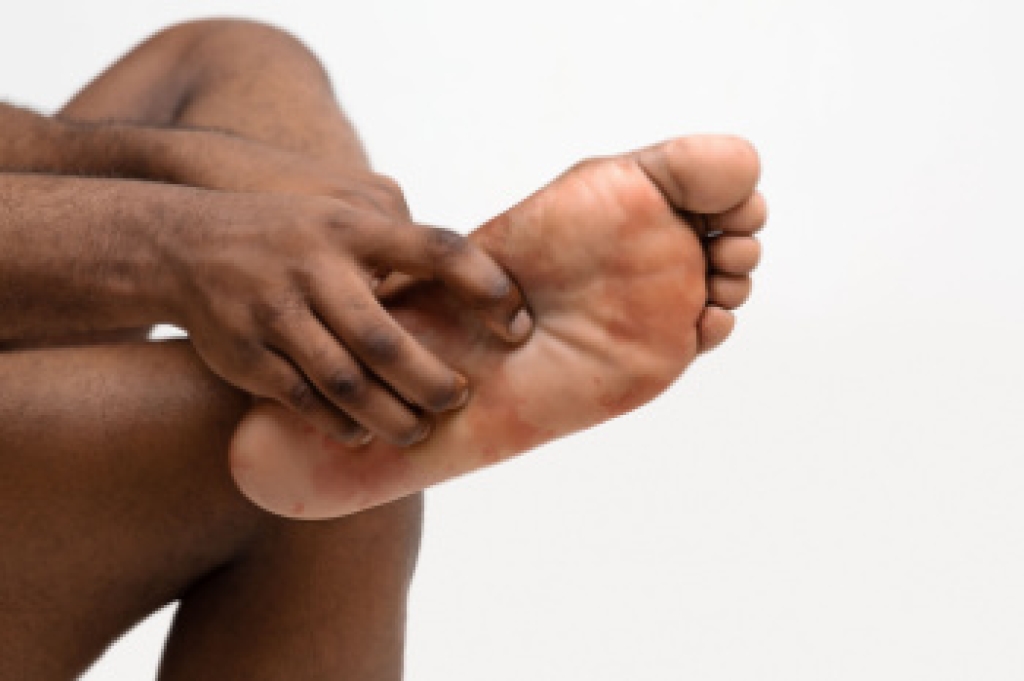
Neuropathy Symptoms and Risks

Neuropathy affects the nerves, which are the body's communication pathways. When nerves become damaged, they cannot properly send signals between the feet and the brain. Diabetes is one of the leading causes of neuropathy, although other health conditions can also contribute to nerve damage. Neuropathy in the feet can cause numbness, tingling, and burning sensations. Some people feel sharp pain, while others lose the ability to feel injuries. This loss of feeling is especially concerning because cuts, blisters, or pressure points can go unnoticed. As a result, a person may continue walking on an injured foot without realizing that damage has occurred.

Neuropathy can lead to serious foot complications when it is not properly monitored. Reduced sensation increases the risk of skin breakdown, infection, and foot ulcers. A foot ulcer is an open sore that develops when skin and tissue become damaged. People with neuropathy may also experience muscle weakness and changes in foot shape. These changes can place extra pressure on certain areas of the foot. Another concern is balance problems that increase the risk of falls. Because these complications can progress without obvious warning signs, regular evaluations play an important role in protecting foot health and reducing the risk of severe injury.

A podiatrist can assess nerve function and identify early signs of neuropathy before major complications develop. The examination may include testing sensation, checking the movement of blood through the body, and evaluating foot structure. A podiatrist can also identify areas of high pressure that increase the risk of developing ulcers. Patients with diabetes benefit from routine foot screenings because nerve damage can gradually worsen without noticeable symptoms. Early detection allows appropriate treatment and ongoing monitoring to help prevent complications. Professional foot care also supports safer mobility and better overall foot health. If you have symptoms of neuropathy in the feet, it is suggested that you schedule an appointment with a podiatrist for a diagnosis, appropriate treatment and management.

Neuropathy

Neuropathy can be a potentially serious condition, especially if it is left undiagnosed. If you have any concerns that you may be experiencing nerve loss in your feet, consult with one of our podiatrists from Granite State Podiatry Associates. Our doctors will assess your condition and provide you with quality foot and ankle treatment for neuropathy.

What Is Neuropathy?

Neuropathy is a condition that leads to damage to the nerves in the body. Peripheral neuropathy, or neuropathy that affects your peripheral nervous system, usually occurs in the feet. Neuropathy can be triggered by a number of different causes. Such causes include diabetes, infections, cancers, disorders, and toxic substances.

Symptoms of Neuropathy Include:

  • Numbness
  • Sensation loss
  • Prickling and tingling sensations
  • Throbbing, freezing, burning pains
  • Muscle weakness

Those with diabetes are at serious risk due to being unable to feel an ulcer on their feet. Diabetics usually also suffer from poor blood circulation. This can lead to the wound not healing, infections occurring, and the limb may have to be amputated.

Treatment

To treat neuropathy in the foot, podiatrists will first diagnose the cause of the neuropathy. Figuring out the underlying cause of the neuropathy will allow the podiatrist to prescribe the best treatment, whether it be caused by diabetes, toxic substance exposure, infection, etc. If the nerve has not died, then it’s possible that sensation may be able to return to the foot.

Pain medication may be issued for pain. Electrical nerve stimulation can be used to stimulate nerves. If the neuropathy is caused from pressure on the nerves, then surgery may be necessary.

If you have any questions, please feel free to contact our offices located in Manchester and Bedford, NH . We offer the newest diagnostic and treatment technologies for all your foot care needs.

Read more about Neuropathy

What to Expect After a Broken Foot

A broken foot can involve fractures of the toes, metatarsal bones, heel, or other structures within the foot. These injuries may occur from falls, sports injuries, or direct impact. Symptoms often include swelling, bruising, and sharp pain. It also may be difficult to walk or bear weight. In some cases, the foot may appear misshapen or become increasingly painful with movement. Healing time depends on the location and severity of the fracture. Minor fractures may heal in about 6 to 8 weeks, while more complex injuries involving multiple bones or joints can require several months for full recovery. A podiatrist can diagnose the fracture using an examination and imaging studies, such as X-rays. Treatment may include immobilization with a boot or cast, limited weight-bearing, and wearing supportive devices. Surgery for displaced fractures may be recommended. Following recovery instructions carefully is important to help the bones heal properly and reduce the risk of long-term complications. If you have a broken foot, it is suggested that you make an appointment with a podiatrist.

A broken foot requires immediate medical attention and treatment. If you need your feet checked, contact one of our podiatrists from Granite State Podiatry Associates. Our doctors can provide the care you need to keep you pain-free and on your feet.

Broken Foot Causes, Symptoms, and Treatment

A broken foot is caused by one of the bones in the foot typically breaking when bended, crushed, or stretched beyond its natural capabilities. Usually the location of the fracture indicates how the break occurred, whether it was through an object, fall, or any other type of injury. 

Common Symptoms of Broken Feet:

  • Bruising
  • Pain
  • Redness
  • Swelling
  • Blue in color
  • Numbness
  • Cold
  • Misshapen
  • Cuts
  • Deformities

Those that suspect they have a broken foot shoot seek urgent medical attention where a medical professional could diagnose the severity.

Treatment for broken bones varies depending on the cause, severity and location. Some will require the use of splints, casts or crutches while others could even involve surgery to repair the broken bones. Personal care includes the use of ice and keeping the foot stabilized and elevated.

If you have any questions, please feel free to contact our offices located in Manchester and Bedford, NH . We offer the newest diagnostic and treatment technologies for all your foot care needs.

Read more about Causes, Symptoms, and Treatment for a Broken Foot

Are Bunions Affecting Your Everyday Life?

Have you noticed a bony protrusion on the side of your big toe? If so, you may have developed the foot condition known as a bunion. Don't let bunions interfere with your daily activities.

Running Shoes for Different Foot Types

Selecting the right running shoes is important for comfort, performance, and injury prevention. Foot structure plays a major role in determining the best type of shoe for each person. Individuals with pronated feet, where the arch collapses inward, often benefit from maximum support running shoes that help control motion and improve alignment. Those with neutral feet typically do well with cushioned neutral shoes that provide balanced support and shock absorption. People with supinated feet, where the arch is high and the foot rolls outward, may need structured cushioned or stability shoes to help distribute pressure more evenly. Wearing the wrong type of shoe can lead to pain in the feet, ankles, knees, and lower legs over time. A podiatrist can evaluate foot mechanics and gait patterns and recommend the most appropriate footwear. If you have foot pain from running, it is suggested that you consult a podiatrist who treats various foot and ankle conditions and guide you on which shoes to wear.

If you are a runner, wearing the right running shoe is essential. For more information, contact one of our podiatrists from Granite State Podiatry Associates. Our doctors can provide the care you need to keep you pain-free and on your feet.

Choosing the Right Running Shoe for Your Foot Type

To increase performance and avoid the risk of injury, it is important to choose the right running shoe based on your foot type. The general design of running shoes revolves around pronation, which is how the ankle rolls from outside to inside when the foot strikes the ground.

  • Neutral runners are able to choose from a wide variety of shoes, including minimalist shoes or even going barefoot.
  • Runners who overpronate, or experience an over-abundance of ankle rolling, should choose shoes that provide extra motion control and stability.
  • Runners who underpronate, or supinate, have feet that have high arches and lack flexibility, preventing shock absorption. They require shoes with more flexibility and cushion.

If you have any questions, please feel free to contact our offices located in Manchester and Bedford, NH . We offer the newest diagnostic and treatment technologies for all your foot care needs.

Read more about Choosing the Right Running Shoe for Your Foot Type

Managing a Bunion

A bunion results when a bony bump forms at the base of the big toe, as the tip of the toe pushes against the other toes. This deformity can cause pain, redness, and swelling. Bunions also make wearing certain shoes uncomfortable while walking or standing for long periods of time. Causes include inherited foot structure, arthritis, and shoes that squeeze the toes together. Some people develop bunions because of poor foot alignment or abnormal walking patterns. A podiatrist can examine the foot, check joint movement, and use X-rays to determine the severity of the bunion. Treatment options include custom orthotics, padding, and wearing supportive shoes with a wider toe box. More advanced bunions may require surgery to straighten the toe joint and improve alignment. Early treatment can help slow the condition and reduce discomfort. If you have pain from a bunion, it is suggested that you schedule an appointment with a podiatrist for effective relief and management tips.

If you are suffering from bunions, contact one of our podiatrists of Granite State Podiatry Associates. Our doctors can provide the care you need to keep you pain-free and on your feet.

What Is a Bunion?

A bunion is formed of swollen tissue or an enlargement of boney growth, usually located at the base joint of the toe that connects to the foot. The swelling occurs due to the bones in the big toe shifting inward, which impacts the other toes of the foot. This causes the area around the base of the big toe to become inflamed and painful.

Why Do Bunions Form?

Genetics – Susceptibility to bunions are often hereditary

Stress on the feet – Poorly fitted and uncomfortable footwear that places stress on feet, such as heels, can worsen existing bunions

How Are Bunions Diagnosed?

Podiatrists often perform two tests – blood tests and x-rays – when trying to diagnose bunions, especially in the early stages of development. Blood tests help determine if the foot pain is being caused by something else, such as arthritis, while x-rays provide a clear picture of your bone structure to your provider.

How Are Bunions Treated?

  • Refrain from wearing heels or similar shoes that cause discomfort
  • Select wider shoes that can provide more comfort and reduce pain
  • Anti-inflammatory and pain management drugs
  • Orthotics or foot inserts
  • Surgery

If you have any questions, please feel free to contact our offices located in Manchester and Bedford, NH . We offer the newest diagnostic and treatment technologies for all your foot care needs.

Read more about Bunions

Connect With Us

scroll to top