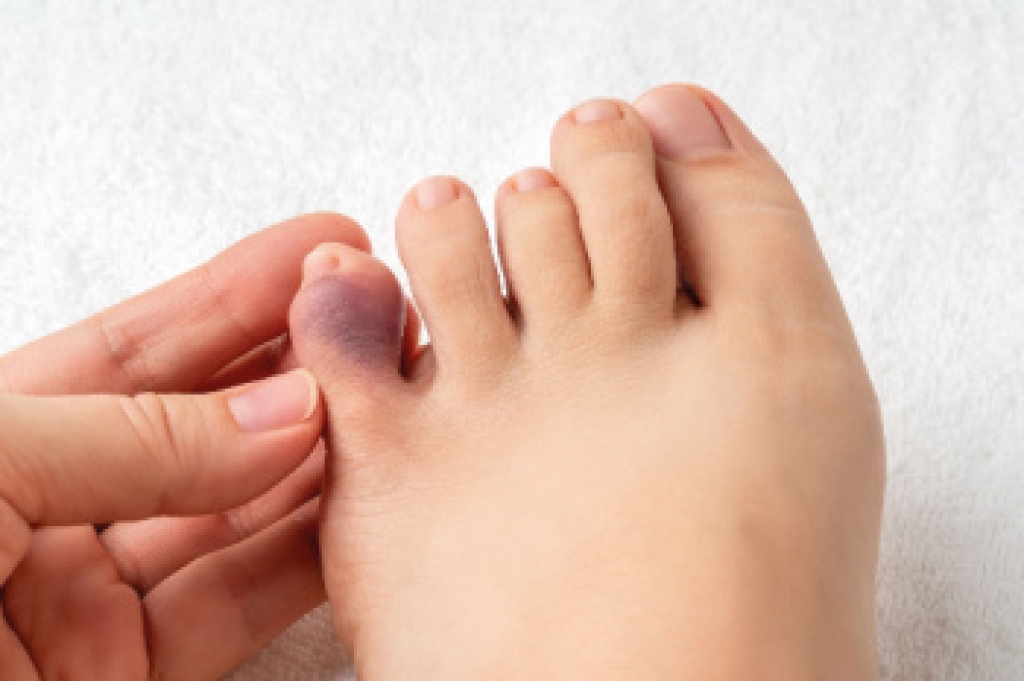
Causes and Symptoms of Hammertoe

Hammertoe is a deformity in which one of the smaller toes bends at the middle joint and stays in a raised position instead of lying flat. It most often affects the second toe. In early stages, the toe may still be flexible, but over time it can become stiff and hard to straighten. Hammertoe develops when the muscles and tendons that control the toe become unbalanced, causing the joint to remain bent. Contributing factors include inherited foot shape, arthritis, injury, bunions that crowd the toes, and years of wearing tight shoes. Common symptoms include pain when walking, redness over the bent joint, and calluses or corns caused by rubbing. Some people also feel aching in the ball of the foot due to added pressure. A podiatrist can examine the foot, confirm the diagnosis, and recommend orthotics or surgery when needed. If you have symptoms of hammertoe, it is suggested that you make an appointment with a podiatrist for an exam, diagnosis, and treatment.

Hammertoe

Hammertoes can be a painful condition to live with. For more information, contact one of our podiatrists from Granite State Podiatry Associates. Our doctors will answer any of your foot- and ankle-related questions.

Hammertoe is a foot deformity that affects the joints of the second, third, fourth, or fifth toes of your feet. It is a painful foot condition in which these toes curl and arch up, which can often lead to pain when wearing footwear.

Symptoms

  • Pain in the affected toes
  • Development of corns or calluses due to friction
  • Inflammation
  • Redness
  • Contracture of the toes

Causes

Genetics – People who are genetically predisposed to hammertoe are often more susceptible

Arthritis – Because arthritis affects the joints in your toes, further deformities stemming from arthritis can occur

Trauma – Direct trauma to the toes could potentially lead to hammertoe

Ill-fitting shoes – Undue pressure on the front of the toes from ill-fitting shoes can potentially lead to the development of hammertoe

Treatment

Orthotics – Custom made inserts can be used to help relieve pressure placed on the toes and therefore relieve some of the pain associated with it

Medications – Oral medications such as anti-inflammatories or NSAIDs could be used to treat the pain and inflammation hammertoes causes. Injections of corticosteroids are also sometimes used

Surgery – In more severe cases where the hammertoes have become more rigid, foot surgery is a potential option

If you have any questions, please feel free to contact our offices located in Manchester and Bedford, NH . We offer the newest diagnostic and treatment technologies for all your foot care needs.


Read more about What Are Hammertoes?

Dealing With Cracked Heels in Cool Weather

Cracked heels are common in cooler weather because cold air and indoor heating dry out the skin. The skin on the bottom of the heel is naturally thick to handle body weight and pressure. When it becomes too dry, it loses flexibility and can split. These splits, often called fissures, are deep cracks that may cause pain, bleeding, or infection. Standing for long periods, wearing open-backed shoes, and taking long, hot showers can make the problem worse. People with diabetes or poor circulation may have a harder time healing and can face more serious complications. A podiatrist can examine the heels, safely trim thick, hardened skin, and provide professional treatment that helps restore moisture and protect the skin. Early medical care can reduce pain and prevent infection. If you have cracked heels that cause pain, it is suggested that you make an appointment with a podiatrist for an exam, diagnosis, and safe treatment.

Cracked heels are unsightly and can cause further damage to your shoes and feet. If you have any concerns, contact one of our podiatrists from Granite State Podiatry Associates. Our doctors can provide the care you need to keep you pain-free and on your feet.

Cracked Heels

Cracked heels appear unappealing and can make it harder for you walk around in sandals. Aside from looking unpleasant, cracked heels can also tear stockings, socks, and wear out your shoes. There are several methods to help restore a cracked heel and prevent further damage.

How Do You Get Them?

Dry skin is the number one culprit in creating cracked heels. Many athletes, walkers, joggers, and even swimmers suffer from cracked heels. Age and skin oil production play a role to getting cracked heels as well.

Promote Healing

Over the counter medicines can help, especially for those that need instant relief or who suffer from chronic dry feet.

Wear Socks – Wearing socks with medicated creams helps lock in moisture.

Moisturizers – Applying both day and night will help alleviate dryness which causes cracking.

Pumice Stones – These exfoliate and remove dead skin, which allows for smoother moisturizer application and better absorption into the skin. 

Change in Diet

Eating healthy with a well-balanced diet will give the skin a fresh and radiant look. Your body responds to the kinds of food you ingest. Omega-3 fatty acids and zinc supplements can also revitalize skin tissue.

Most importantly, seek professional help if unsure how to proceed in treating cracked heels. A podiatrist will help you with any questions or information needed. 

If you have any questions, please feel free to contact our offices located in Manchester and Bedford, NH . We offer the newest diagnostic and treatment technologies for all your foot care needs.
Read more about Solutions for Cracked Heels

Let the Expert Treat Your Ingrown Toenails

Ingrown toenails can be painful and can make wearing shoes or walking uncomfortable. Seek professional help if you believe you've developed an ingrown toenail and be treated safely. 

Symptoms and Causes of Metatarsal Pain

Metatarsal pain, known as metatarsalgia, occurs in the ball of the foot where long bones of the foot absorb body weight during standing and walking. People often notice burning, sharp, or aching discomfort beneath the toes, sometimes accompanied by numbness, tingling, or a feeling of walking on a stone. Symptoms worsen with activity, standing, or tight footwear. Causes of metatarsal pain include repetitive impact from sports, stress fractures, arthritis, and high arches. Toe deformities, such as hammertoes, and pressure shifts created by narrow or high heeled shoes are other factors. A podiatrist can perform a biomechanical examination, evaluate gait patterns, order imaging, and provide care that redistributes pressure and treats the disorder to prevent progression and complications. If you have pain in the ball of the foot, it is suggested that you make an appointment with a podiatrist for an exam, diagnosis, and ongoing treatment.

Foot Pain

Foot pain can be extremely painful and debilitating. If you have a foot pain, consult with one of our podiatrists from Granite State Podiatry Associates. Our doctors will assess your condition and provide you with quality foot and ankle treatment.

Causes

Foot pain is a very broad condition that could be caused by one or more ailments. The most common include:

  • Bunions
  • Hammertoes
  • Plantar Fasciitis
  • Bone Spurs
  • Corns
  • Tarsal Tunnel Syndrome
  • Ingrown Toenails
  • Arthritis (such as Gout, Rheumatoid, and Osteoarthritis)
  • Flat Feet
  • Injury (from stress fractures, broken toe, foot, ankle, Achilles tendon ruptures, and sprains)
  • And more

Diagnosis

To figure out the cause of foot pain, podiatrists utilize several different methods. This can range from simple visual inspections and sensation tests to X-rays and MRI scans. Prior medical history, family medical history, and any recent physical traumatic events will all be taken into consideration for a proper diagnosis.

Treatment

Treatment depends upon the cause of the foot pain. Whether it is resting, staying off the foot, or having surgery; podiatrists have a number of treatment options available for foot pain.

If you have any questions, please feel free to contact our offices located in Manchester and Bedford, NH . We offer the newest diagnostic and treatment technologies for all your foot care needs.
Read more about Foot Pain

Peripheral Artery Disease and Its Impact on Foot Health

Peripheral artery disease, or PAD, is a circulatory condition that occurs when narrowed arteries reduce blood flow to the limbs, especially the legs and feet. Limited circulation restricts oxygen and nutrients needed for healthy tissue, which can lead to slow healing, skin changes, and increased risk of infection. Individuals may notice cramping, cold feet, color changes, or decreased or absent pulses in the feet. Risk factors include smoking, high blood pressure, diabetes, high cholesterol, and a sedentary lifestyle. Without proper care, complications may become serious and affect mobility. If you have symptoms of PAD in your feet, it is suggested that you consult a podiatrist who can evaluate circulation, monitor foot health, and coordinate care to prevent complications. 

Peripheral artery disease can pose a serious risk to your health. It can increase the risk of stroke and heart attack. If you have symptoms of peripheral artery disease, consult with one of our podiatrists from Granite State Podiatry Associates. Our doctors will assess your condition and provide you with quality foot and ankle treatment.

Peripheral artery disease (PAD) is when arteries are constricted due to plaque (fatty deposits) build-up. This results in less blood flow to the legs and other extremities. The main cause of PAD is atherosclerosis, in which plaque builds up in the arteries.

Symptoms

Symptoms of PAD include:

  • Claudication (leg pain from walking)
  • Numbness in legs
  • Decrease in growth of leg hair and toenails
  • Paleness of the skin
  • Erectile dysfunction
  • Sores and wounds on legs and feet that won’t heal
  • Coldness in one leg

It is important to note that a majority of individuals never show any symptoms of PAD.

Diagnosis

While PAD occurs in the legs and arteries, Podiatrists can diagnose PAD. Podiatrists utilize a test called an ankle-brachial index (ABI). An ABI test compares blood pressure in your arm to you ankle to see if any abnormality occurs. Ultrasound and imaging devices may also be used.

Treatment

Fortunately, lifestyle changes such as maintaining a healthy diet, exercising, managing cholesterol and blood sugar levels, and quitting smoking, can all treat PAD. Medications that prevent clots from occurring can be prescribed. Finally, in some cases, surgery may be recommended.

If you have any questions, please feel free to contact our offices located in Manchester and Bedford, NH . We offer the newest diagnostic and treatment technologies for all your foot care needs.

Read more about Peripheral Artery Disease

Connect With Us

scroll to top