Children and Sever’s Disease

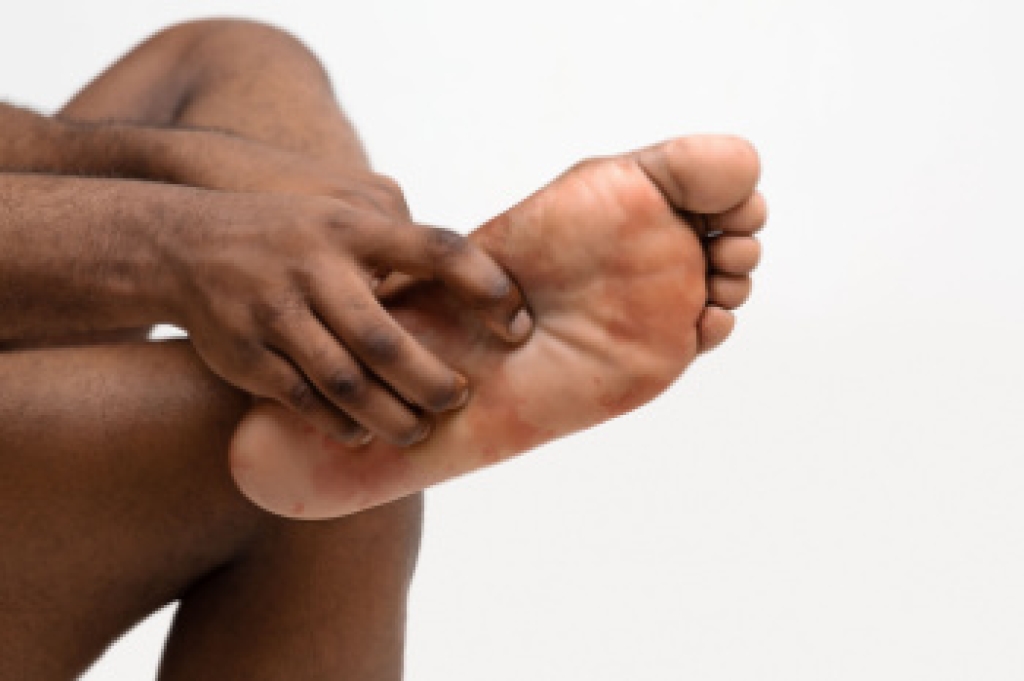
Sever’s disease is a common condition that affects the heel of growing children, typically between the ages of 8 and fourteen. It occurs when the growth plate in the heel becomes inflamed, often due to repetitive stress from running, jumping, or participating in sports. Symptoms may include heel pain, walking on tip toes to avoid pressure, and difficulty engaging in sporting activities. Children may also experience swelling or tenderness at the back of the heel, which can worsen during physical activity. A podiatrist can accurately diagnose Sever’s disease, provide treatment to relieve pain, recommend supportive footwear or orthotics, and design stretching or strengthening exercises to reduce strain on the heel. If your child is experiencing heel discomfort or is having difficulty with sports, it is suggested that you schedule an appointment with a podiatrist who can offer effective relief tips.

Sever's disease often occurs in children and teens. If your child is experiencing foot or ankle pain, see one of our podiatrists from Granite State Podiatry Associates. Our doctors can treat your child’s foot and ankle needs.

Sever’s Disease

Sever’s disease is also known as calcaneal apophysitis, which is a medical condition that causes heel pain I none or both feet. The disease is known to affect children between the ages of 8 and 14.

Sever’s disease occurs when part of the child’s heel known as the growth plate (calcaneal epiphysis) is attached to the Achilles tendon. This area can suffer injury when the muscles and tendons of the growing foot do not keep pace with bone growth. Therefore, the constant pain which one experiences at the back of the heel will make the child unable to put any weight on the heel. The child is then forced to walk on their toes.

Symptoms

Acute pain – Pain associated with Sever’s disease is usually felt in the heel when the child engages in physical activity such as walking, jumping and or running.

Highly active – Children who are very active are among the most susceptible in experiencing Sever’s disease, because of the stress and tension placed on their feet.

If you have any questions, please feel free to contact our offices located in Manchester and Bedford, NH . We offer the newest diagnostic and treatment technologies for all your foot care needs.

Read more about Sever's Disease

Workplace Fall Prevention and Foot and Ankle Protection

Preventing falls in the workplace begins with proper safety practices that protect your entire body, including your feet and ankles. Personal protective equipment such as non-slip footwear provides essential traction on slick or uneven surfaces. Fall arrest systems offer added protection when working at heights, while well maintained ladders help reduce the risk of sudden slips. Safe lifting techniques also play a key role by keeping your body aligned and reducing strain on the lower limbs. Despite precautions, foot and ankle injuries can still occur. A podiatrist can evaluate workplace-related injuries, provide treatment, and recommend supportive footwear or orthotics to prevent future issues. If you have sustained a foot or ankle injury while at work, it is suggested that you consult a podiatrist who can offer effective relief tips and additional fall prevention techniques.

Preventing falls among the elderly is very important. If you are older and have fallen or fear that you are prone to falling, consult with one of our podiatrists from Granite State Podiatry Associates. Our doctors will assess your condition and provide you with quality advice and care.

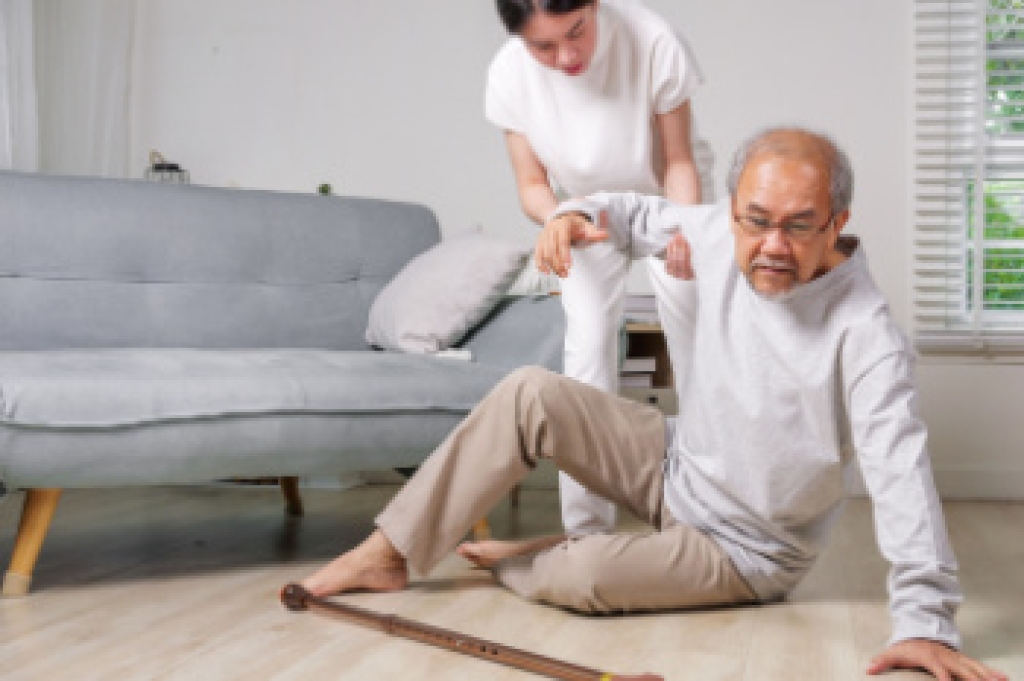
Every 11 seconds, an elderly American is being treated in an emergency room for a fall related injury. Falls are the leading cause of head and hip injuries for those 65 and older. Due to decreases in strength, balance, senses, and lack of awareness, elderly persons are very susceptible to falling. Thankfully, there are a number of things older persons can do to prevent falls.

How to Prevent Falls

Some effective methods that older persons can do to prevent falls include:

  • Enrolling in strength and balance exercise program to increase balance and strength
  • Periodically having your sight and hearing checked
  • Discuss any medications you have with a doctor to see if it increases the risk of falling
  • Clearing the house of falling hazards and installing devices like grab bars and railings
  • Utilizing a walker or cane
  • Wearing shoes that provide good support and cushioning
  • Talking to family members about falling and increasing awareness

Falling can be a traumatic and embarrassing experience for elderly persons; this can make them less willing to leave the house, and less willing to talk to someone about their fears of falling. Doing such things, however, will increase the likelihood of tripping or losing one’s balance. Knowing the causes of falling and how to prevent them is the best way to mitigate the risk of serious injury.  

If you have any questions, please feel free to contact our offices located in Manchester and Bedford, NH . We offer the newest diagnostic and treatment technologies for all your foot care needs.

Read more about Falls Prevention

Keeping Your Ankles Safe on Every Run

Healthy feet rely on flexible muscles and supportive tendons, and a few easy stretches can make a noticeable difference in comfort and mobility. A gentle calf stretch against a wall helps ease tightness in the Achilles tendon and reduces strain on the heel and arch. Another helpful movement is the towel stretch, which involves sitting with legs extended, looping a towel under the ball of one foot, and pulling gently until you feel a lengthening through the arch. Many people also benefit from toe flexing and spreading, which awakens small foot muscles that support balance. These simple exercises can be done in minutes and help keep the feet resilient during daily activity. While stretching is a valuable tool, persistent discomfort or stiffness may signal a deeper issue. If foot pain continues despite regular stretching, it is suggested that you see a podiatrist for evaluation and guidance.

Exercising your feet regularly with the proper foot wear is a great way to prevent injuries. If you have any concerns about your feet, contact one of our podiatrists of Granite State Podiatry Associates. Our doctors will treat your foot and ankle needs.

How to Prevent Running Injuries

Many common running injuries are caused by overuse and overtraining. When the back of the kneecap starts wearing out and starts causing pain in your knee, this is commonly referred to as runner’s knee. Runner’s knee is a decrease in strength in your quadriceps and can occur if you’re not wearing properly fitted or supporting shoes. To prevent runner’s knee, focusing on hip strengthening is a good idea, as well as strengthening your quads to keep the kneecaps aligned.

What Are Some Causes of Running Injuries? 
- One cause of a common running injury is called iliotibial band syndrome.
- Plantar fasciitis is also another common injury.
- Stress fractures can occur from overtraining, lack of calcium, or even your running style.

Best Ways to Prevent Running Injuries
- Wear footwear that fits properly and suits your running needs.
- Running shoes are the only protective gear that runners have to safeguard them from injury.
- Make a training schedule. Adding strengthening exercises as well as regular stretching can help keep you strong and limber and can lessen the possibility of injuries.
- Stretching keeps muscles limber; this will help you gain better flexibility.

If you have any questions, please feel free to contact our offices located in Manchester and Bedford, NH . We offer the newest diagnostic and treatment technologies for all your foot care needs.

Read more about How to Prevent Running Injuries

Causes of Tendon Problems in the Ankle

Pain in the ankle tendons often develops from repetitive strain, overuse, or biomechanical imbalances that affect how the foot moves and bears weight. The tendons surrounding the ankle include the posterior tibial, peroneal, and tibialis anterior, each serving a unique role in stabilizing and supporting the foot during walking or running. When these tendons are stressed, inflammation or degeneration can develop, leading to pain and weakness. The posterior tibial tendon, which supports the arch, can cause pain along the inner ankle when strained. Pain on the outer side of the ankle often involves the peroneal tendons, especially in people with high arches or a history of ankle sprains. The tibialis anterior tendon, located at the front of the ankle, can become painful from repetitive lifting of the foot. A podiatrist can evaluate tendon pain through a detailed exam and imaging to determine the best treatment. If you are experiencing ankle pain, it is suggested that you make an appointment with a podiatrist for a diagnosis and treatment options.

Ankle pain can be caused by a number of problems and may be potentially serious. If you have ankle pain, consult with one of our podiatrists from Granite State Podiatry Associates. Our doctors will assess your condition and provide you with quality foot and ankle treatment.

Ankle pain is any condition that causes pain in the ankle. Due to the fact that the ankle consists of tendons, muscles, bones, and ligaments, ankle pain can come from a number of different conditions.

Causes

The most common causes of ankle pain include:

  • Types of arthritis (rheumatoid, osteoarthritis, and gout)
  • Ankle sprains
  • Broken ankles
  • Achilles tendonitis
  • Achilles tendon rupture
  • Stress fractures
  • Bursitis
  • Tarsal tunnel syndrome
  • Plantar fasciitis

Symptoms

Symptoms of ankle injury vary based upon the condition. Pain may include general pain and discomfort, swelling, aching, redness, bruising, burning or stabbing sensations, and/or loss of sensation.

Diagnosis

Due to the wide variety of potential causes of ankle pain, podiatrists will utilize a number of different methods to properly diagnose ankle pain. This can include asking for personal and family medical histories and of any recent injuries. Further diagnosis may include sensation tests, a physical examination, and potentially x-rays or other imaging tests.

Treatment

Just as the range of causes varies widely, so do treatments. Some more common treatments are rest, ice packs, keeping pressure off the foot, orthotics and braces, medication for inflammation and pain, and surgery.

If you have any questions please feel free to contact our offices located in Manchester and Bedford, NH . We offer the newest diagnostic tools and technology to treat your foot and ankle needs.

Read more about Ankle Pain

We Can Treat Your Foot or Ankle Pain

Foot or ankle pain can negatively affect your day-to-day life and can occur due to several different conditions. Pain can also be an indicator of a more serious underlying condition, which is why you should seek professional help as soon as you notice any abnormalities in your feet.

Connect With Us

scroll to top